Mr. Heater Portable Buddy Review: The Right-Size Propane Heater
By Margo Pettibone · Updated October 2026
Independent editorial review. We never accept payment for coverage, though we may earn a commission if you purchase through our links.

Spec sheet
| Heat input (manual) | 4,000 / 9,000 BTU/hr (LO / HI) |
| Heating area (maker claim) | Up to 225 sq ft |
| Indoor venting (manual) | 9 sq in at the ceiling and at floor level |
| Emergency home use (manual) | 1 lb cylinders only; bathroom LO, bedroom HI or LO |
| Run time (manual) | About 3-6 h per 1 lb cylinder; 48-110 h per 20 lb tank kept outdoors |
| Safety shutoffs | Low-oxygen (ODS) pilot and tip-over switch; no CO sensor |
| Limits (manual) | Minimum 0°F ambient; may shut off above 7,000 ft |
| Owner-reported failure | Pilot shutoffs from wind, stale air, dust or webs |
| Warranty | 3 yr in manual and product page; 1 yr on policy page and Amazon listing |
Verdict
Owner reports come from r/IceFishing, r/camping, r/vandwellers and r/preppers, plus RV, flashlight and woodworking forums. Many posts say only "Mr. Buddy" or "Buddy heater" without naming the model. Ice anglers and tent campers mostly say it's enough heat on LO; the complaints are heat pooling at the ceiling, condensation and placement in tight spaces.
Read full take ↓


The Mr. Heater Portable Buddy (MH9BX) is the propane heater we'd hand most people: one person or three in an ice shack, a canvas tent, a truck cap or a van, or one room during a power outage. It makes 4,000 or 9,000 BTU/hr on a single 1 lb cylinder, shuts itself off on low oxygen or if it tips, and carries an indoor-use statement in its US manual. For the jobs it was built for, that's enough heat, and it costs a good deal less than the Big Buddy.
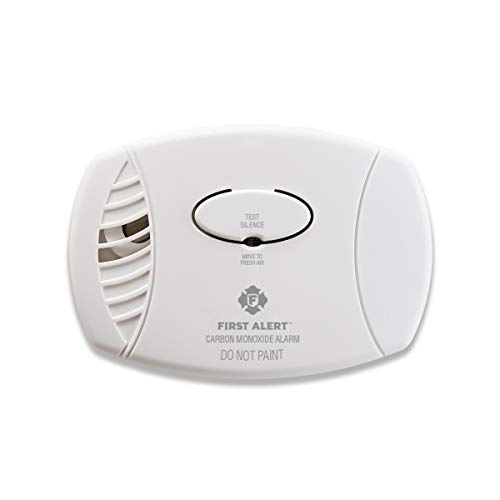
It is still an unvented flame in a small space. The manual's indoor permission comes with conditions, a 9 sq in opening at the ceiling and another at floor level, never while you sleep, 1 lb cylinders only for emergency heat at home, and the low-oxygen shutoff does nothing about carbon monoxide. Buy a CO alarm with it. Expect condensation, a pilot that hates wind, and heat that rises to the ceiling because there's no fan.
What it does well
- The right amount of heat: 4,000 BTU/hr on LO and 9,000 on HI, rated for up to 225 sq ft. Most small shelters and tents run it on LO.
- Simple fuel: it screws onto one 1 lb cylinder, and a swivel regulator takes a Mr. Heater hose and filter for a remote tank kept outdoors.
- Indoor-rated, with limits: the US manual allows recreational enclosures with a window or roof vent, and emergency home heating on a 1 lb cylinder.
- Two shutoffs: a low-oxygen pilot (ODS) and a tip-over switch.
- Allowed in a bedroom on HI: for emergency home use while you are awake, its 9,000 BTU/hr fits under the 10,000 BTU/hr bedroom limit in its manual, which the Big Buddy's HI does not.
What to watch for
- No thermostat, no fan: you control it by switching between LO, HI and off, and the heat climbs to the ceiling.
- Moisture: unvented combustion puts water vapor into the space; vans and tents drip.
- Touchy pilot: wind outdoors and stale air indoors both shut it off, by design in the second case.
- Short cylinder life: about 3 hours on HI and 6 on LO per 1 lb cylinder, per the manual.
- Warranty confusion: the manual says 3 years; Mr. Heater's warranty-policy page and the Amazon listing say 1 year.
How much space 9,000 BTU covers
Mr. Heater's 225 sq ft claim works out to 40 BTU/hr per square foot on HI, the same ratio the Big Buddy uses for its 450 sq ft. In a shelter, wind and insulation matter more than floor area. One ice angler worked out a heat need of about 1,548 BTU/hr for an insulated three-person hub at a 70-degree difference, using a rule of thumb for single-wall tents. The Portable Buddy's LO setting is about 2.6 times that, which is why owners of two- and three-person shacks mostly run it on LO.
Space (owner-reported) | Setting | Result |
|---|---|---|
Uninsulated 2-person flip-over ice shelter | LO | Rarely needs HI; LO is often a little too warm |
3-person Clam ice shelter | Not stated | Comfortable enough to shed the outer layer |
Insulated 3-person hub | LO | Works great, per the owner |
10 x 10 ft canvas tent, low 30s outside | HI, on a tank kept outside | Holds about 72°F |
Van in spring, near freezing | LO, before bed and on waking | A 1 lb cylinder lasts a couple of nights of that |
Where it falls short: big hubs, long nights well below zero in wind, and drafty rooms in a house. That's the Big Buddy's territory. Its manual also gives a minimum ambient temperature of 0°F, and below 20°F cylinder run time can drop sharply, which owners notice as a heater that fades as the bottle frosts over.
Indoor use, by the manual
The US manual (32178 REV F) says the heater is safe for indoor use in small recreational enclosures with means for combustion air and ventilation, such as enclosed porches, cabins, fishing huts, trailers, tent trailers, tents, truck caps and vans, and for emergency indoor heating on a disposable 1 lb cylinder. Those permissions come with conditions:
- Venting: at least 9 sq in (a 3 x 3 in opening, for example) at the ceiling and at floor level while it runs. One cracked window at one height doesn't meet that.
- Enclosures: only with a window or roof vent; without one, the manual says do not use it inside.
- Home emergencies: 1 lb cylinders only, LO only in a bathroom, HI or LO in a bedroom, no other fuel-burning appliances running inside, and never left unattended.
- Sleep: never operate it while sleeping. The CPSC also says to shut off any camping heater before going to sleep.
- Tanks: a refillable cylinder never comes indoors. A remote tank up to 20 lb is for recreational enclosures, kept outdoors, on a Mr. Heater hose.
- Vehicles: not in a moving vehicle.
- Where it's not for: not for use in a dwelling home in California, per the manual, and Mr. Heater's page lists Massachusetts and Canada sale restrictions. A Canada version is sold separately; we haven't read its manual, so read the one in your box.
Owners bend these rules, and you'll find stories of people sleeping with one running or bringing a 20 lb tank indoors. We'd follow the manual. A garage isn't on its indoor list either, and the manual says that with a cylinder attached, the heater must be stored outdoors and not in a building or garage.
CO, moisture and the missing fan
Buy a battery CO alarm listed to UL 2034 and run it whenever the heater does. The ODS watches oxygen and shuts the gas when it runs short; it does not measure carbon monoxide, and the CPSC says an alarm adds protection without replacing proper use. Keep the alarm off the spot directly above the heater. The manual lists the early signs of CO poisoning as flu-like headache, dizziness and nausea: get fresh air at once and have the heater serviced.
Moisture is the price of unvented heat. A van or a small tent will collect condensation on cold walls and windows, and the venting the manual asks for is also what carries the water out. If dampness is a constant fight in a van you live in, a vented heater is the better long-term answer.
There's no fan, and heat pools at the ceiling. A small battery fan placed nearby, not attached to the heater, moves it around; one owner swears by a USB rechargeable one with a light. Don't clip anything onto the heater or set a stove fan on top. The manual calls hand-made or third-party accessories extremely dangerous, and they void the warranty.
Mind the clearances in tight spaces: 30 in above, 24 in in front, 6 in at the sides and 0 in behind. In a truck cap that's hard to find. One owner found that the heater toasted the felt liner near the cab and overheated the rear glass at the other end.
Fuel, hoses and the filter
On 1 lb cylinders the manual gives about 3 hours on HI and 6 on LO. A 12-hour outage therefore takes two to four cylinders, and for emergency heat in a house the manual allows 1 lb cylinders only, so stock them. In a camper, shelter or tent, a 20 lb tank outside on a hose gives 48-110 hours and saves a lot of cylinder swaps.
The hose matters more than people expect. The manual names Mr. Heater hoses F273701, F273702 and F272702, each with fuel filter F273699 replaced every year, or the F273704 Buddy series hose, which needs no filter. Generic hoses can leach oil that gums up the heater; Mr. Heater told one owner that the F273704 is made from a rubber that doesn't use that oil. When we checked, neither the F273704 nor the F273702 had an offer on Amazon, so buy one from a Mr. Heater dealer, and buy the F273699 filter if your hose needs it. The swivel regulator is fixed at 11 in W.C., and the manual says not to reduce tank pressure to it.
Expect a long purge after hooking up a hose; the manual says lighting takes longer while air clears the line.
Reliability
The Portable Buddy's weak spot is the same as the rest of the Buddy line: a sensitive pilot. A light breeze can push the flame off the thermocouple outdoors, which the manual itself mentions as nuisance shutoffs in some wind. Indoors, a shutoff usually means not enough fresh air, and the manual's fix is to ventilate before relighting and to have it serviced if it keeps happening. Spider webs and dust in the pilot and burner are the other common cause; the manual asks you to check them periodically and warns that a blue flame rolling over the top of the tile means it needs cleaning.
Past that, it's a durable little heater. One owner whose new Big Buddy kept shutting down had used a Portable Buddy for at least ten years without that problem, and kept it along as the backup. Mr. Heater's documents disagree on the warranty: the current manual and the product page say 3 years, while the warranty-policy page and the Amazon listing say 1 year. Register it, keep the receipt and plan on the shorter term. The manual's warranty requires returning the heater at your expense with proof of purchase.
Portable Buddy, Little Buddy, Buddy FLEX or Big Buddy
Little Buddy | Portable Buddy | Buddy FLEX | Big Buddy | |
|---|---|---|---|---|
Heat (BTU/hr) | 3,800 | 4,000 / 9,000 | 8,000-11,000 | 4,000 / 9,000 / 18,000 |
Maker's area claim | 95 sq ft | 225 sq ft | 275 sq ft | 450 sq ft |
Indoor venting | No figure | 9 sq in, ceiling and floor | 11 sq in | 18 sq in |
Fuel | One 1 lb cylinder | One 1 lb cylinder or remote tank | 1 lb or remote tank | Two 1 lb or remote tank |
Bedroom (emergency use) | No figure | HI or LO | Not allowed | LO or MED |
The Little Buddy is for a one-person tent and nothing bigger. The Buddy FLEX can't turn down below 8,000, which is too much for a small insulated shack, and its manual rules out bedrooms and bathrooms. The Big Buddy is the one to buy for a four-person hub, a wall tent, or long cold days in wind, and it asks for twice the vent area. Our Big Buddy vs Portable Buddy comparison goes deeper on that choice.
Who it is for
Buy the Portable Buddy if you fish from a two- or three-person shelter, camp in a tent or truck cap in the shoulder seasons, take the chill off a van in the morning, or want backup heat for one room during an outage, and you'll follow the venting rules, keep it out of the room you sleep in while it runs, and carry a CO alarm. For those jobs it's the propane heater we'd buy first.
Skip it for a closed garage or shop, as your only heat in a van you live in, or for sleeping heat of any kind. And if you need 18,000 BTU on the coldest days, spend the extra on the Big Buddy.
Score breakdown
4,000 or 9,000 BTU/hr keeps a two- or three-person ice shelter, a tent, a truck cap or one room warm, usually on LO, and 9,000 BTU/hr is allowed in a bedroom for emergency home use. It has no thermostat and no fan, so heat pools at the ceiling, and it runs out of steam in big hubs or long nights below zero in wind.
It's a durable heater; one owner has run theirs for at least ten years. The weak spot is the pilot: wind, stale air, dust or a spider web will shut it off, and oily fuel from the wrong hose gums it up. The manual says 3 years of warranty; Mr. Heater's policy page and the Amazon listing say 1, so plan on the shorter term.
It costs a good deal less than the Big Buddy, runs on one 1 lb cylinder, and needs half the vent opening. Budget for a CO alarm and, for a tank setup, a Mr. Heater hose plus the filter if your hose needs one. Check the current price on Amazon.
Mr. Heater Portable Buddy on Amazon.
The Evidence Behind Our Verdict
Owner reports come from r/IceFishing, r/camping, r/vandwellers and r/preppers, plus RV, flashlight and woodworking forums. Many posts say only "Mr. Buddy" or "Buddy heater" without naming the model.
Ice anglers and tent campers mostly say it's enough heat on LO; the complaints are heat pooling at the ceiling, condensation and placement in tight spaces.
Our rating above is our own editorial call. What follows is the field evidence we weighed to reach it: first-hand reports from owners on Reddit and independent HVAC and DIY forums, which we lean on more than manufacturer-influenced published reviews because unsponsored owners tend to be the more candid signal.
What Reddit Is Saying
“I run a portable buddy in an uninsulated 2 man flip over. Its extremely rare that I ever run it on high, usually low is a little too warm.”
“I fish in a normal clam with 3 people and use the portable buddy. It works fine and we can take our most outer layer off.”
“I have a regular buddy heater, and it works great in my current insulated QF3 on low. That calc is 237.57 x 70 x 0.133 = 2,212 x .70 = 1,548 BTUH”
“I’m able to keep a 10 by 10 Kodiak Canvas at 72 degrees when it is low 30’s outside using the Mr Buddy portable on high setting—20 gal propane tent is outside.”
“I ran mine before bed, and first thing in the morning when I got up. But it was spring and got down to almost freezing. The 1lb. bottle lasts a couple nights on low.”
“Get a small fan to circulate the air, that will also help with ventilation. I have a battery powered fan with LED light from Amazon, USB C rechargeable, that I love. It's a perfect partner for my Mr. Heater Portable Buddy.”
“Just crazy since I never had this issue in all the years of using my portable buddy. We're talking about 10 years at least.”
“It works great, but... I don't know where to put it. If I put it on a flat surface near the cab side of the topper, it toasts the felt liner. If I put it near the rear glass, the window gets way too hot.”
What Owner Forums Say
“I just asked Mr. Heater what makes this hose not need a filter. Here is their reply; Hello! Normally, high pressure propane going through the hose pulls oil out of the rubber and can leave it in the heater. The F273704 is made from a different kind of rubber, which doesn't use that oil.”
Frequently asked questions
Is the Mr. Heater Portable Buddy worth it?
It costs a good deal less than the Big Buddy, runs on one 1 lb cylinder, and needs half the vent opening. Budget for a CO alarm and, for a tank setup, a Mr. Heater hose plus the filter if your hose needs one.
How reliable is the Mr. Heater Portable Buddy?
It's a durable heater; one owner has run theirs for at least ten years. The weak spot is the pilot: wind, stale air, dust or a spider web will shut it off, and oily fuel from the wrong hose gums it up. The manual says 3 years of warranty; Mr.
How well does the Mr. Heater Portable Buddy perform?
4,000 or 9,000 BTU/hr keeps a two- or three-person ice shelter, a tent, a truck cap or one room warm, usually on LO, and 9,000 BTU/hr is allowed in a bedroom for emergency home use. It has no thermostat and no fan, so heat pools at the ceiling, and it runs out of steam in big hubs or long nights below zero in wind.
What do real owners say about the Mr. Heater Portable Buddy?
Owner reports come from r/IceFishing, r/camping, r/vandwellers and r/preppers, plus RV, flashlight and woodworking forums. Many posts say only "Mr. Buddy" or "Buddy heater" without naming the model.
Options Worth Checking Out

Mr. Heater Big Buddy 18,000 BTU (no-fan MH18B)
For bigger hubs, wall tents and long cold days in wind: 4,000 / 9,000 / 18,000 BTU/hr and two cylinder ports. It needs 18 sq in of venting at the ceiling and at floor level, twice the Portable Buddy, and two cylinders for HI.
Read our full review: we scored it 7.0/10


You Might Also Need
Accessories worth grabbing alongside your purchase

More Mr. Heater Reviews
See all →
How Does It Compare?
Side-by-side breakdowns featuring this product