Midea Cube Dehumidifier Review: Real 50 Pints, Check the Sensor
By Ingrid Tamsett · Updated October 2026
Independent editorial review. We never accept payment for coverage, though we may earn a commission if you purchase through our links.
 ← Cube 50 (no pump): 14.45 in wide (Amazon listing) →
Spec sheet
| Capacity (DOE 65°F, 60% RH) | 49.67 pints/day, Cube 50 with or without pump (ENERGY STAR) |
| Smaller sizes | Cube 35: 35.82 pints/day; Cube 20: 20.16 pints/day (ENERGY STAR) |
| Efficiency (IEF) | 2.01 L/kWh (Cube 35 and 50); 1.70 L/kWh (Cube 20) |
| Operating range | 41-95°F; coils may frost below 41°F (US manual) |
| Drainage | Gravity hose included; pump on the 50-pint MAD50PS1 models only, 14 ft max height (US manual) |
| Bucket | Not stated in US docs; older Canadian Cube 50 sheet: 16 L, adjustable 1-4 gal |
| Noise | Not published for US models; older Canadian Cube 50: 48-49.5 dBA front, 54.5 rear |
| Warranty | One-year limited, from delivery or purchase, whichever is later |
| Owner-reported failure | Humidity display stuck near 30% or ~20 points low (9 owners) |
| Owner-reported gotcha | Lifting the heavy top off to empty the bucket (3 owners) |
Verdict
Owner reports come from r/Midea, r/Appliances, r/hvacadvice, r/HomeImprovement, r/homeowners and r/BuyItForLife. We counted only posts that clearly describe a Cube and left out Costco buyers who never say which Midea they own. Owners who have run Cubes for three to five years (most don’t say which size) report few problems. The standout complaint is the built-in humidity reading: nine owners in a single r/Midea discussion found it stuck near 30% or about 20 points low, three of them on replacement units. Three owners mention lifting the heavy top to empty the bucket, and three note the heat it adds.
Read full take ↓


Buy the Midea Cube 50 Pint Dehumidifier (MAD50S1QWT-A) for a damp basement that stays above 41°F and has a drain or sump nearby, then set a cheap hygrometer beside it for the first week and send it back if the two disagree by more than a few points. It's a squat, square portable that sits on top of its own bucket. ENERGY STAR certifies it at 49.67 pints a day on the current DOE test, 65°F and 60% relative humidity, which puts it in the same class as Frigidaire's and Honeywell's 50-pint units, and it usually costs less than either.
A pump version, the MAD50PS1QWT-A, carries the same rating, and there are 35- and 20-pint Cubes for smaller spaces. We've called the Cube the default basement dehumidifier in our other reviews, and the owner record on the Cube itself doesn't change that. It adds one thing to check. The built-in humidity reading can stick near 30% or read about 20 points low while a separate sensor in the same room shows 40-60%, sometimes on the replacement unit too. Every owner who dates the fault saw it on a new unit, within days, so it's a return-window problem rather than a time bomb. You need a separate hygrometer to catch it.
Skip the Cube anywhere colder than 41°F, and don't count on the one-year warranty to carry you past year one.
What we like
- Capacity and efficiency: 49.67 pints a day at the DOE 65°F test, certified by ENERGY STAR, with an integrated energy factor (IEF) of 2.01 liters per kWh. That ties the Frigidaire and Honeywell 50s on both numbers.
- A big bucket: Midea Canada's spec sheet for an older Cube 50 lists 16 liters, adjustable from 1 to 4 gallons, well over the 2.7 gallons in Frigidaire's FHDD5034Y1.
- Drain options: a gravity drain hose in the box, and a pump version rated to lift water 14 feet.
- A quiet long-run record: Cubes three to five years old get described as low maintenance, with no failures.
- Price: it usually costs less than the current-test 50s it competes with.
What we'd change
- The humidity reading: it can stick near 30% or read about 20 points low, and a replacement unit can do the same.
- Emptying: you lift the heavy top section off the bucket to pour, and owners complain about it more than anything else day to day.
- The 41°F floor: that's the bottom of its operating range, so it isn't a crawl space or cold-garage machine, whatever the listing suggests.
- Warranty: one year, limited, with no extra years on the compressor.
- Noise data: Midea publishes no noise figure for the US models.
Where it fits
The good fit is a basement that turns muggy from late spring through fall, stays above 41°F all year, and has a floor drain, sump or utility sink in reach. EPA's mold guidance says to keep indoor humidity below 60%, ideally 30-50%, and a 50-pint machine rated at 65°F can hold that in most basements that are damp rather than wet. A finished basement room works too, as long as you can live with some fan noise and the heat it gives off; both are covered below.
Size it by how wet the space is and ignore the square footage. Midea says the Cube 50 covers up to 4,500 square feet, and its own page for the non-pump model also says 1,500 in the body copy, which matches the 20-pint page. If a 50 runs nonstop and the room still sits above 55%, find where the water is getting in before you buy a bigger machine.
Pick something else in these cases:
- The space drops below 41°F: Midea's manual says the coils can frost at lower temperatures. For a cold basement or crawl space, the AlorAir Sentinel HD55S is rated to run down to 33.8°F, and our crawl space dehumidifier guide covers the rest.
- It's one bedroom: the Cube 20 is certified at 20.16 pints a day and weighs 33.07 pounds, against 41.54 for the Cube 50 with pump, though it uses more power per pint.
- There's no drain below it and you don't want a bucket: you need the pump version, which Amazon had only used when we checked, or a condensate pump under the non-pump model.
- It goes in a living space and you want a published noise rating: Frigidaire's FHDD5034Y1 lists 47, 49 and 51 dBA by fan speed.
Cube sizes and ratings
Capacity and IEF are ENERGY STAR certifications at the current DOE test; drainage is from the US manual.
Model | Capacity (65°F, 60% RH) | IEF (L/kWh) | Drainage |
|---|---|---|---|
Cube 50 (MAD50S1QWT-A) | 49.67 pints/day | 2.01 | Gravity hose |
Cube 50 with pump (MAD50PS1QWT-A) | 49.67 pints/day | 2.01 | Gravity hose or built-in pump, 14 ft max height |
Cube 35 | 35.82 pints/day | 2.01 | Gravity hose |
Cube 20 | 20.16 pints/day | 1.70 | Gravity hose |
Every one of those is a current-test number. DOE moved portable dehumidifier testing from 80°F to 65°F, with compliance required from June 13, 2019, and ENERGY STAR's explanation is that cooler air holds less water, so the same machine will likely report a smaller capacity on the new test. Put a Cube next to a box that says 50 at 80°F, like the hOmeLabs, and ENERGY STAR's rough conversion table puts that old 50 near 30 pints on today's test.
Expect less than the rating in a cool basement. Every rating falls as the air cools or dries, and a basement at 60°F in May has less water to give than the test room. One Cube 35 owner, in a finished basement reading 57%, saw the app estimate 57 hours to fill the tank after 8 hours of running and wondered if the unit was broken. We can't tell whether anything was wrong with it. Slow collection at or below the rating condition is what you should expect, and it isn't a defect.
Running cost is easy to work out. At an IEF of 2.01 liters per kWh, 49.67 pints is about 23.5 liters, so a full day at rated output takes roughly 11.7 kWh, and every 10 pints costs about 2.4 kWh; multiply by your own electric rate. The Cube 20's 1.70 means it uses about 18% more electricity for each pint it removes. Two Cube 20s are a worse way to dry a basement than one 50.
Keep it above 41°F. The US manual gives 41-95°F and says to place the unit where the temperature won't fall below 41°F, because the coils can frost over and lose performance. Midea's Amazon listing still mentions crawlspaces. We wouldn't put a Cube in a vented crawl space or an unheated basement in a cold-winter state.
Bucket, hose, pump and setup
Midea's listing calls the Cube extendable: lift and twist the top to extend it to full capacity, or nest it down for storage. Midea's US product pages and manual don't state the bucket size. Its Canadian spec sheet for an older Cube 50 lists 16 liters, adjustable from 1 to 4 gallons, and the current Amazon listing for the US Cube 50 claims 4.2 gallons, which is about the same. If that holds, a full bucket is about 34 pints, or roughly 16 hours at the rated 49.67 pints a day. Frigidaire's FHDD5034Y1 holds 2.7 gallons and Honeywell's TPFIT50PWK holds 14 pints. Even a Cube 20, one its owner describes as the 1,500-square-foot model, running around the clock through a humid July in the coastal Southeast, only needed emptying every two days.
Run it on a hose or a pump so you never lift it. The machine sits on the bucket, so emptying means lifting the top section off to pour. Owners find that heavy and awkward (one puts the top at over 30 pounds), and one gave up on the Cube rather than do it every day. Midea lists the whole Cube 20 at 33.07 pounds and doesn't say how much of that is the top.
Every Cube takes the included hose for gravity drainage to a floor drain or sink below it. Only the 50-pint MAD50PS1 models have a pump, which the US manual rates to a maximum height of 14 feet. Midea's older Canadian Cube sheet says 16.4 feet, but that's a different, R410A model, so go by the 14. Two manual details matter. The pump can't be used in Bucketless mode, and with PUMP turned on, the bucket level setting is locked at its fourth step. Keep an eye on a pump model, too: one owner says the pump never empties the tank past about half and the app shows nothing about tank status, so a pump fault could go unnoticed for a while.
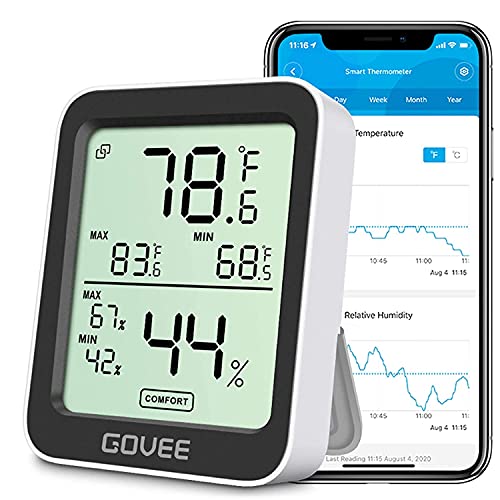
It's a plug-in appliance, so setup comes down to where the water goes and where you read the humidity. With a floor drain or sump lower than the unit, buy the non-pump Cube 50 and run the included hose. With a utility sink or a window above it, you want the Midea Cube 50 with built-in pump (MAD50PS1QWT-A), rated to lift 14 feet. When we checked, Amazon had only used units of the pump model, so you may need to buy it elsewhere, or pair the non-pump Cube with the Little Giant condensate pump in our picks. With neither, you're lifting the top off a full bucket about every 16 hours at rated output, more often in warm, wet air.
If you find water on the floor with the drain light on, as one new owner draining into a sink did, check the two things the manual calls out: the pump can't run in Bucketless mode, and the hose has to be properly seated. That owner never said which step went wrong.
Check the model number before you buy. Amazon carries several Midea 50-pint units with near-identical titles that aren't Cubes. The listings we checked titled Midea 50 Pint Dehumidifier with Pump and Midea 50 Pint Dehumidifier report models MAD50P1AWS-A and MAD50C1AWS-A, which aren't Cube model numbers. A Cube 50 model number starts MAD50S1 (no pump) or MAD50PS1 (pump).
Then put a separate hygrometer beside the Cube for the first week. If the Cube reads 30% while the hygrometer says 55%, you've got the sensor fault described below, and you want to find out inside the return window. After that, move the hygrometer to the far side of the basement, since the Cube only reads the air around it.
Expect heat. A compressor dehumidifier releases the electricity it uses, plus the heat pulled from the water it condenses, back into the room. Owners notice it: one basement climbs from 72°F to 78°F with the Cube running, and others feel it warm a bathroom or kick out a decent amount of heat while holding 50%. In a cool basement that's welcome. In a finished basement room in August, it isn't.
The humidity sensor fault
We've seen nine owners report the same fault, which is enough for us to treat it as a known defect. Most describe the display sitting at or near 30% while another dehumidifier or a hygrometer read 40-60%. Others saw it read about 20 points low, so the Cube had to be set to 30 to bring the room to 50. The pump model, MAD50PS1QWT, is among the affected units. Three of the nine got the same fault on a replacement, and one was on their third Cube in two weeks.
Keep that in proportion. Fault reports collect the people who have the fault, so they can't tell you what share of Cubes do, and other owners report the opposite, including one whose Cube holds the room at 50% when set to 50. Timing makes it manageable. The fault shows up on new units, within days, and a reading stuck at 30% is obvious against a separate hygrometer, so a unit that fails that check goes back. That's why a hygrometer is in our picks.
Inside the first year, return it or claim the warranty. Some owners have replaced the sensor themselves, and a couple say that fixed it, one reporting it now reads within 5% of two other sensors. That means opening the case of an appliance that holds a flammable refrigerant, and when one owner called Midea, they were told to return it through Amazon. Past year one, the sensor swap is an owner repair we'd leave to your judgment. You can also live with the fault by running the Cube in manual or continuous mode, switched on and off against a separate Wi-Fi humidity sensor if you want it automatic.
Noise, the app and the long haul
Midea doesn't publish decibels for the US Cube. The Canadian sheet for the older Cube 50 lists 48-49.5 dBA at the front and 54.5 dBA at the rear on high, so on that model's numbers you'd want the back facing away from where you sit. Owners split: some find it a bit loud for a bedroom, others call it quiet, quieter than the Hisense one of them replaced, and quiet enough that another kept a Cube partly for its low fan noise.
The listings advertise control through Midea's SmartHome app and Alexa or Google Assistant. The app can estimate time to fill the tank but shows nothing about tank status, which led one pump owner to call the unit smart in name only. You don't need it: according to a Cube 20 owner, the front buttons handle continuous run, a shutoff timer and a humidity setpoint.
The manual says the Cube uses R32, a flammable refrigerant, so follow its placement instructions.
Past the sensor, the long-run record is good, if small and self-selected. One owner has run theirs five hours a night for three years in a Florida townhome with zero issues. Others report five years, or a few years without complaint, and a Cube 20 still clearing soupy Georgia air. The filters are the gripe: the side filters can be brittle, so buy spares, and the wavy filter is fiddly to refit. None of that adds up to a failure rate.
The warranty is the weak spot. Midea gives one year, limited, from the date of delivery or purchase, whichever is later, and Frigidaire's 50s carry one year too. Plenty of people now expect only a few years out of a consumer dehumidifier and buy where returns are easy for that reason, and we'd do the same. Register the Cube, keep the order record, and note the return deadline the day it arrives.
Against the other 50s
Capacity for the Cube, Frigidaire, Honeywell and AlorAir is the current 65°F test; the hOmeLabs is rated on the old 80°F test.
Model | Rated capacity | Pump |
|---|---|---|
Midea Cube 50 | 49.67 pints/day, IEF 2.01 | Pump model only, 14 ft |
Frigidaire FHDD5034Y1 | 49.71 pints/day, IEF 2.01 | None |
Honeywell TPFIT50PWK | 49.66 pints/day, IEF 2.01 | Built in, 15 ft (product page) or 16.4 ft (manual) |
hOmeLabs HME031003N | 50 pints/day at 80°F, near 30 on today's test | Pump model, 16.4 ft |
AlorAir Sentinel HD55S | 36.33 pints/day | None, gravity drain only |
Frigidaire 50 Pint with Wi-Fi (FHDD5034Y1): an equal machine on capacity and efficiency, with the same 41°F floor and one year of warranty. ENERGY STAR certifies it at 49.71 pints a day. Frigidaire publishes 47, 49 and 51 dBA by fan speed and a rated 470 watts. Its 2.7-gallon bucket is smaller than the Cube's if Midea's figures hold, and it has no pump. Buy it if it's priced at or below the Cube, or if a published noise rating matters for the room.
Honeywell TPFIT50PWK: a 14-pint tank and a built-in pump with at least a foot more lift than the Cube's 14. Honeywell's terms cover everything for one year and sealed-system parts for four, but we'd give that little weight now. JMATEK, the licensee that made and backed these units, says it's no longer in business; claims now go through the Honeywell Store's warranty form, which excludes purchases from unauthorized sellers. When we checked, Honeywell's own TPFIT pages showed sold out and the Amazon offers came from a third-party reseller. A four-year promise you may not be able to collect isn't worth a premium over the Cube.
hOmeLabs 50 Pint (HME031003N): its 50 pints a day is an 80°F rating, the old test, so ENERGY STAR's rough table puts it near 30 on today's test. We'd pick it when a sale puts it well under the Cube or when you need its pump model's 16.4 feet of lift.
AlorAir Sentinel HD55S: a crawl space unit that ENERGY STAR certifies at 36.33 pints a day at 65°F, rated to run down to 33.8°F. It costs far more and drains by gravity only, but it's the answer when the space drops below the Cube's 41°F floor. AlorAir's warranty runs six years, limited, two years full and then refrigeration parts only, and the manual says the warranty holds only when you buy from AlorAir or an authorized dealer.
Cube 35 and Cube 20: the same design at 35.82 and 20.16 pints a day. A Cube 35 that barely gets an average house down to 45-50% on continuous run, as one owner describes, fits those numbers. Buy the 50 for a basement and keep the 20 for a single room.
Our pick for a damp basement
The Cube 50, as long as the basement stays above 41°F and a drain or sump is nearby. It matches the best 50-pint portables on certified capacity and efficiency, it usually costs less, and if Midea's figures hold, its bucket is bigger than the Frigidaire's or the Honeywell's. Spend the first week checking its humidity reading against a separate hygrometer, and return it if the display sits near 30% while the room is plainly damper. If the water has to go up and out, the pump version handles 14 feet, but Amazon had only used units when we checked, so buy it elsewhere or add the Little Giant pump to the non-pump Cube. If the space gets colder than 41°F, buy the AlorAir. If the Frigidaire is cheaper the day you shop, it's an equal pick with published noise numbers.
Score breakdown
ENERGY STAR certifies the Cube 50 at 49.67 pints a day at 65°F with an IEF of 2.01, a tie with the Frigidaire and Honeywell 50s, and if Midea’s figures hold, its bucket is bigger than either. We take points off for the 41°F floor, no published US noise figure, and a built-in humidity reading that can stick near 30% or read far off, which undercuts setpoint control until you check it.
Cubes three to five years old have few problems on record, and the sensor fault shows up on new units, within days, where a return covers it. Against that, the fault can repeat on a replacement unit, one new owner found drain water on the floor, and the warranty is one year with no extra compressor coverage. The long-run record is small and self-selected, so we hold this score loosely.
It usually lists below the Frigidaire FHDD5034Y1 and Honeywell TPFIT50PWK while matching them on certified capacity and efficiency, so you pay less per pint of current-test capacity. The one-year warranty, and the hygrometer you should buy to check its sensor, keep value from scoring higher.
Midea Cube Dehumidifier on Amazon.
The Evidence Behind Our Verdict
Owner reports come from r/Midea, r/Appliances, r/hvacadvice, r/HomeImprovement, r/homeowners and r/BuyItForLife. We counted only posts that clearly describe a Cube and left out Costco buyers who never say which Midea they own. Owners who have run Cubes for three to five years (most don’t say which size) report few problems.
The standout complaint is the built-in humidity reading: nine owners in a single r/Midea discussion found it stuck near 30% or about 20 points low, three of them on replacement units. Three owners mention lifting the heavy top to empty the bucket, and three note the heat it adds.
Our rating above is our own editorial call. What follows is the field evidence we weighed to reach it: first-hand reports from owners on Reddit and independent HVAC and DIY forums, which we lean on more than manufacturer-influenced published reviews because unsponsored owners tend to be the more candid signal.
What Reddit Is Saying
“Bought mine 3 years ago (see pic) and it has run 5 hours a night every single day since then. It has done an amazing job at reducing the humidity in the upstairs of my Florida townhome. Zero issues and super low maintenance.”
“It is awesome. Had one for 5 years now. Order a set of extra side filters just in case. Kind of brittle if not handled well and took some time to arrive.”
“I purchased a Midea Cube dehumidifier with the intent of making life a bit easier for our AC system, and it does a great job of keeping the humidity around 50 when set at 50 on the sensor. However I notice it kicks out a decent amount of heat to do so.”
“The cube is much quieter and it can run much longer before having to empty it. It's a little awkward to empty. Overall I'm happy with it, but I'm not sure this is the best design unless you can hook it up to a continuous drain.”
“Hey, as far as I can tell it's still working just fine. We do need to clean the filters like any other dehumidifier. But the filter is really annoying to get back in as it's all wavy. Other than that no issues.”
“Love mine, great dehumidifier. A bit loud so I'm not sure I'd want to sleep with one running in the same room. It's capacity is very overestimated though, I have 35 pint one and it barely gets the average house down to 45-50 with continuous run.”
“I bought one with a pump for my basement On the one hand, the brand is WireCutter approved On the other, the app says nothing about the tank status and the pump never empties the tank beyond 50% by design… so if the pump errors out hopefully you stumble across it It works fine but it is “smart” in name only”
“The basement is staying around 72F this summer even when it’s 90F outside, but the humidity is around 55% - 60% and the basement smells like drywall/paint, etc. I’m running a dehumidifier (Midea cube) and it works great but it heats up the basement to 78F.”
“I had one and it worked great, however, lifting that heavy motor top every day was a deal breaker.”
“Somewhat of a similar issue for my Midea cube whereby the display was about showing about 20 off (lower) than actual when compared to my hygrometer and hvac Tstat humidity reading. I would have to set it to 30 to get humidity down to 50.”
“I was on my second replacement through Amazon, the second was also stuck at 30% like the first. I called Midea and they told me to return it through Amazon.”
“I just got a brand new unit today, and exact same issue, showing 30%, while my other 3 hygrometers are showing around 60%.”
“I just bought this top rated dehumidifier, but cannot get it to operate in continuous drainage mode directly into the sink. Even when the light indicating it was in that mode was on, it was draining all over my basement floor.”
Frequently asked questions
Is the Midea Cube Dehumidifier worth it?
It usually lists below the Frigidaire FHDD5034Y1 and Honeywell TPFIT50PWK while matching them on certified capacity and efficiency, so you pay less per pint of current-test capacity. The one-year warranty, and the hygrometer you should buy to check its sensor, keep value from scoring higher.
How reliable is the Midea Cube Dehumidifier?
Cubes three to five years old have few problems on record, and the sensor fault shows up on new units, within days, where a return covers it. Against that, the fault can repeat on a replacement unit, one new owner found drain water on the floor, and the warranty is one year with no extra compressor coverage. The long-run record is small and self-selected, so we hold this score loosely.
How well does the Midea Cube Dehumidifier perform?
01, a tie with the Frigidaire and Honeywell 50s, and if Midea’s figures hold, its bucket is bigger than either. We take points off for the 41°F floor, no published US noise figure, and a built-in humidity reading that can stick near 30% or read far off, which undercuts setpoint control until you check it.
What do real owners say about the Midea Cube Dehumidifier?
Owner reports come from r/Midea, r/Appliances, r/hvacadvice, r/HomeImprovement, r/homeowners and r/BuyItForLife. We counted only posts that clearly describe a Cube and left out Costco buyers who never say which Midea they own. Owners who have run Cubes for three to five years (most don’t say which size) report few problems.
Options Worth Checking Out

Frigidaire 50 Pint Dehumidifier with Wi-Fi (FHDD5034Y1)
An equal on paper: 49.71 pints/day at 65°F, the same 2.01 IEF and 41°F floor, plus published 47-51 dBA noise. Its 2.7-gallon bucket is smaller than the Cube’s and there’s no pump. Buy it when it’s priced at or below the Cube.
Read our full review: we scored it 6.4/10

AlorAir Sentinel HD55S (ENERGY STAR, gravity drain)
For spaces below the Cube’s 41°F floor: ENERGY STAR lists it at 36.33 pints/day at 65°F, and AlorAir rates it to 33.8°F. Gravity drain only. Per the manual, the warranty holds only if bought from AlorAir or an authorized dealer.
Read our full review: we scored it 7.0/10

You Might Also Need
Accessories worth grabbing alongside your purchase

Little Giant VCMA-15ULS Condensate Pump
For a non-pump Cube with no drain below it, rated 25 GPH at 10 ft. A plug-in dehumidifier usually has no control circuit for the overflow switch to shut off, so plan on an alarm (sold separately). It wants its own circuit.
Read our full review: we scored it 7.3/10
More Midea Reviews
See all →


How Does It Compare?
Side-by-side breakdowns featuring this product


